
NEWS CENTER
tracked excavator: A Workhorse That Handles Tough Ground Conditions
Date:
2026-04-09


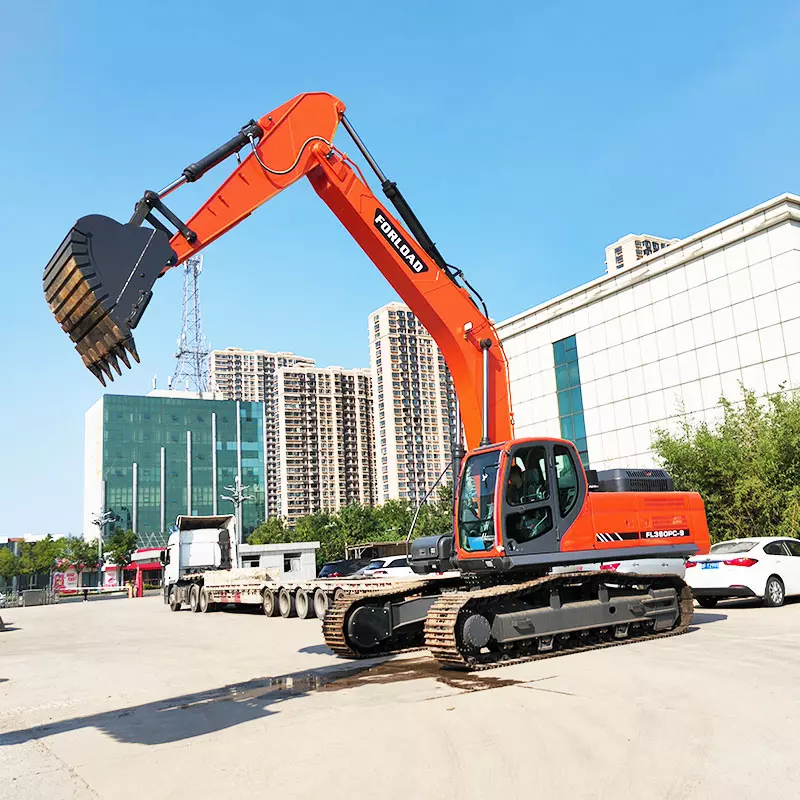
The tracked excavator is a machine most people recognize on construction sites, but its importance goes far beyond just digging holes. Known for its stability and strength, it is built to handle demanding jobs in environments where other machines may struggle. From large infrastructure projects to small site work, the tracked excavator remains a reliable choice for contractors.
What sets the tracked excavator apart is its undercarriage. Instead of wheels, it runs on tracks, which distribute the machine’s weight more evenly across the ground. This makes a big difference when working on soft soil, muddy areas, or uneven terrain. The added stability allows operators to work with confidence, even when lifting heavy loads or digging at difficult angles.
In terms of function, the tracked excavator is designed for a wide range of tasks. Digging is the most obvious one, but it is also used for trenching, demolition, lifting, grading, and material handling. With the right attachments, such as breakers, grapples, or augers, the machine becomes even more versatile. This flexibility makes it a common sight in construction, mining, and utility work.
Performance is a key reason why many operators prefer tracked excavators. A well-built machine offers strong digging force, smooth hydraulic response, and consistent power output. This helps improve efficiency on site, especially when working under tight deadlines. The ability to handle heavy-duty tasks without frequent breakdowns is something contractors value highly.
Another important factor is durability. Tracked excavators are often used in harsh conditions—dust, rocks, mud, and long working hours are all part of the job. Because of this, manufacturers focus on building machines with reinforced structures and wear-resistant components. Regular maintenance is still necessary, but a durable machine can handle years of use without major issues.
Operator comfort has also improved over the years. Modern tracked excavators come with more spacious cabins, better seating, and clearer visibility. Controls are designed to be more user-friendly, reducing fatigue during long shifts. Features like air conditioning, adjustable controls, and digital displays are becoming standard, making the work environment more manageable.
Mobility is sometimes seen as a limitation compared to wheeled machines, but in many cases, the benefits outweigh this drawback. While tracked excavators are slower when moving between locations, they offer much better performance once on site. For projects that require stability and power rather than speed, they are often the better option.
Maintenance is an important part of keeping a tracked excavator running smoothly. Tracks, rollers, and hydraulic systems need regular inspection. Fortunately, many newer models are designed with easier access to key components, helping reduce downtime. Keeping up with basic maintenance can extend the machine’s lifespan and maintain performance.
Fuel efficiency has also become a focus. Newer engines and improved hydraulic systems help reduce fuel consumption without sacrificing power. This is especially important for long-term projects where operating costs can add up quickly.
In everyday use, tracked excavators are found in many industries. On construction sites, they handle foundation work and material movement. In mining, they assist with heavy excavation tasks. In agriculture and land development, they are used for clearing and shaping land. Their ability to adapt to different conditions makes them one of the most dependable machines in the field.
In the end, the tracked excavator is valued for its balance of strength, stability, and versatility. It may not be the fastest machine, but when the job requires reliable performance in tough conditions, it is often the first choice. For many operators, it’s not just a machine—it’s an essential part of getting the work done right.
tracked excavator

Email:
WhatsApp:
Address:
Financial street, Kuiwen district, Weifang city, Shandong province, China
Copyright © 2023 WEIFANG FORLOAD MACHINERY COMPANY LIMITED