
NEWS CENTER
wheel loader: A Practical Machine That Keeps Job Sites Moving
Date:
2026-04-09


The wheel loader is one of those machines you’ll find on almost every job site, from construction and mining to ports and farms. It doesn’t always get the spotlight, but it’s hard to imagine getting work done efficiently without it. Simple in concept yet highly capable, the wheel loader is built to move materials quickly and reliably.
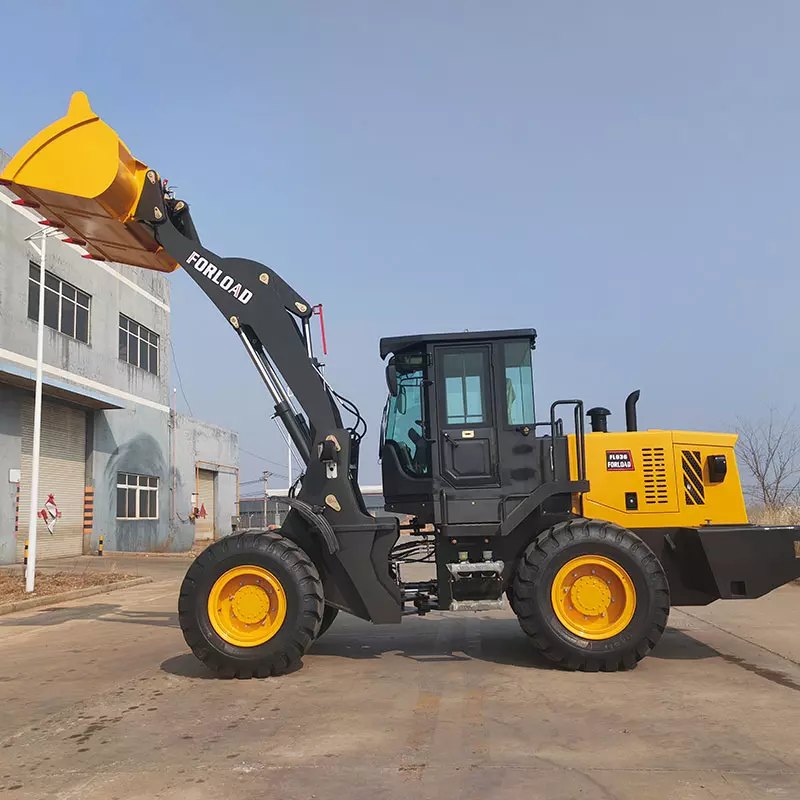
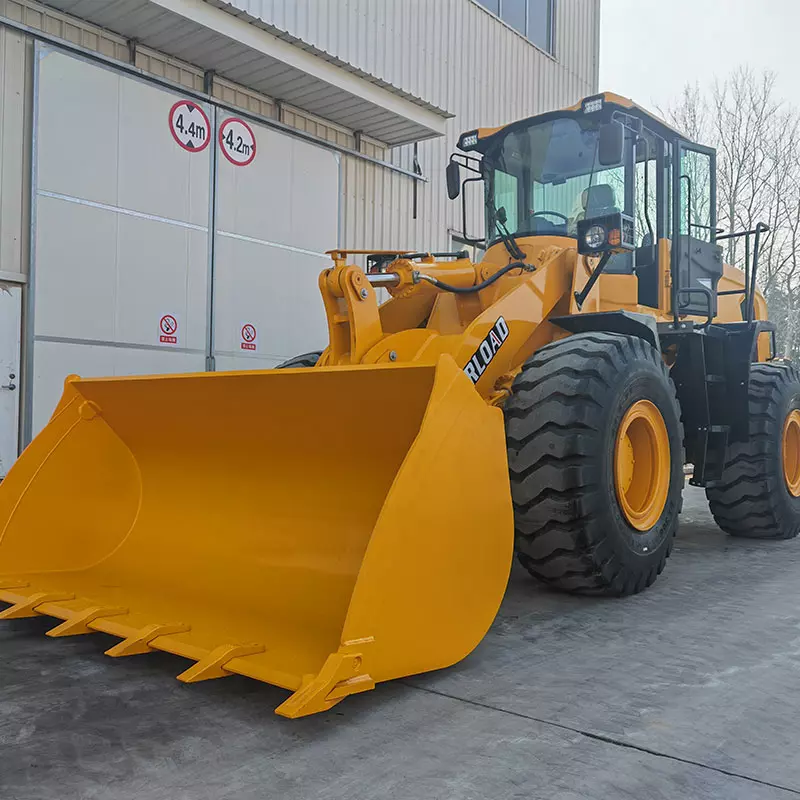
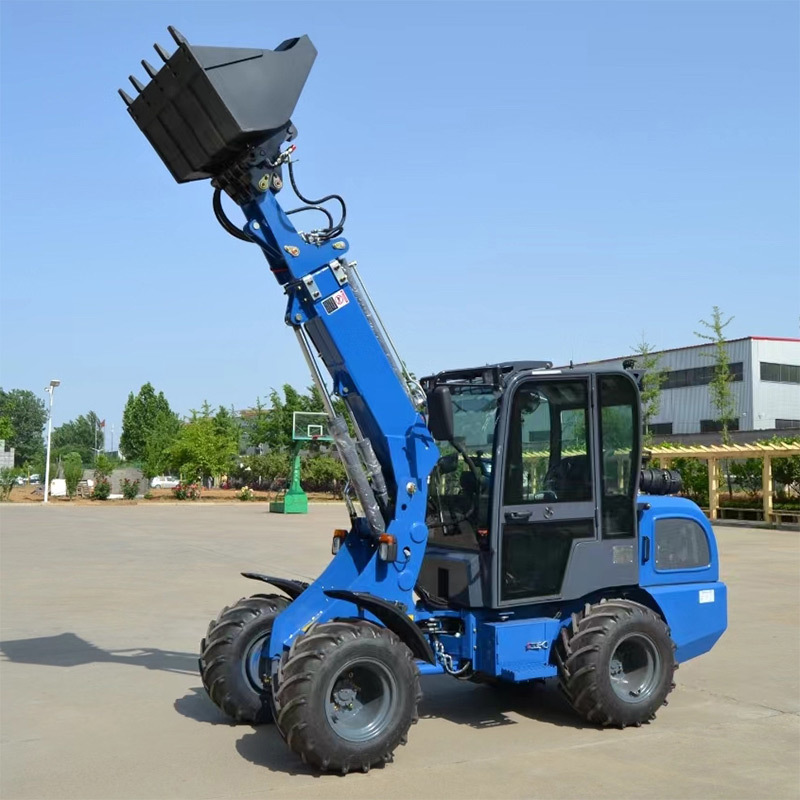
At its core, a wheel loader is designed for loading, transporting, and handling materials such as sand, gravel, soil, and aggregates. The front-mounted bucket is its most recognizable feature, allowing operators to scoop, lift, and dump materials with ease. Over time, the design has evolved, but the basic idea remains the same—move more material in less time with less effort.
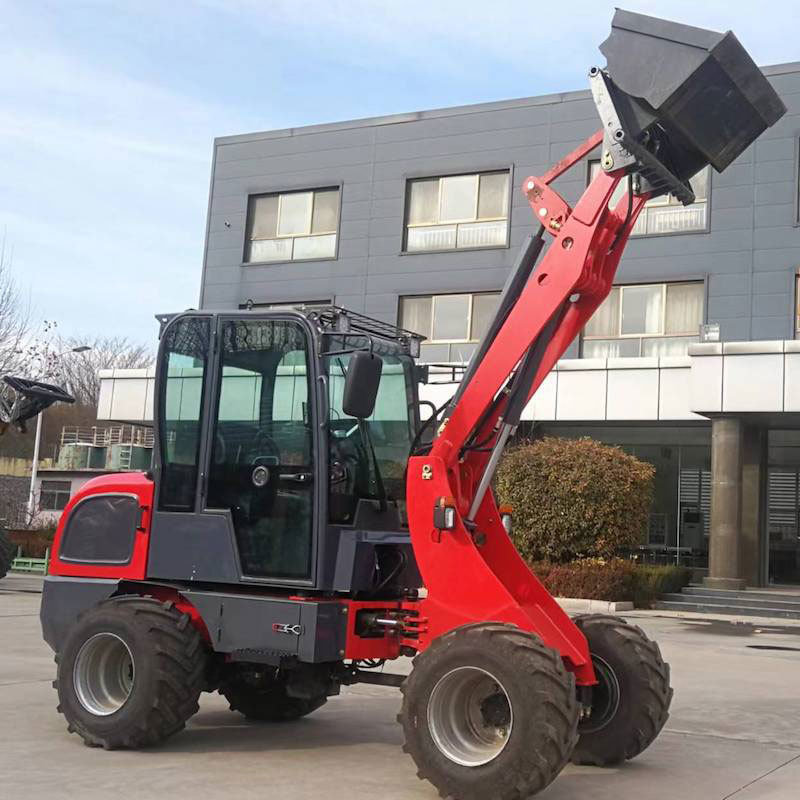
One of the main reasons the wheel loader is so widely used is its versatility. With the help of different attachments, it can do far more than just loading. Forks can be added for pallet handling, grapples for irregular materials, and snow blades for winter work. This flexibility makes it useful across a wide range of industries, especially for businesses that need one machine to handle multiple tasks.
Ease of operation is another strong point. Compared to some heavy equipment, the wheel loader is relatively straightforward to learn. The controls are designed to be intuitive, and modern machines often come with ergonomic cabins, adjustable seats, and clear visibility. This helps operators stay comfortable and focused, even during long working hours.
Performance matters, especially in demanding environments. A good wheel loader offers strong engine power, smooth transmission, and a responsive hydraulic system. These features allow it to handle heavy loads while maintaining stability and control. Whether working on a rough construction site or in a busy material yard, reliability is key.
Durability is something operators pay close attention to. Wheel loaders are expected to work in tough conditions—dust, mud, heavy loads, and long hours are all part of the job. That’s why manufacturers focus on using high-strength materials and reinforced structures. A well-built machine can operate for years with proper maintenance, making it a solid investment.
Maintenance and service are also important considerations. A machine that is easy to maintain can save both time and money. Many modern wheel loaders are designed with accessible components, making routine checks and repairs simpler. Regular maintenance helps prevent unexpected downtime and keeps the machine running smoothly.
Fuel efficiency has become a bigger focus in recent years. With rising energy costs, operators are looking for machines that can deliver strong performance without excessive fuel consumption. Advances in engine technology and hydraulic systems have helped improve efficiency, allowing wheel loaders to do more work with less fuel.
In real-world use, the wheel loader plays a central role in keeping operations moving. On construction sites, it loads trucks and clears materials. In mining, it handles bulk materials efficiently. In agriculture, it assists with feed, soil, and other tasks. Its ability to adapt to different environments is one of its greatest strengths.
There’s also been a noticeable shift toward smarter machines. Some wheel loaders now come with digital displays, monitoring systems, and even semi-automated functions. These features help operators track performance, improve safety, and optimize productivity. While not every job requires advanced technology, it’s becoming more common across the industry.
At the end of the day, the wheel loader is valued for what it does best—getting work done reliably. It may not be the most complex machine on site, but it’s often one of the most important. For contractors and operators who need a dependable, versatile, and efficient piece of equipment, the wheel loader remains a go-to choice.
wheel loader

Email:
WhatsApp:
Address:
Financial street, Kuiwen district, Weifang city, Shandong province, China
Copyright © 2023 WEIFANG FORLOAD MACHINERY COMPANY LIMITED