
NEWS CENTER
The Versatility of a 15-ton Excavator: More Than Just Digging
Date:
2026-07-19


The Versatility of a 15-ton Excavator: More Than Just Digging
Introduction to Excavators
Excavators have long been the backbone of construction sites, providing **powerful digging capabilities** that allow for efficient earthmoving. Among these machines, the **15-ton excavator** stands out for its versatility. Initially perceived merely as a digging tool, this robust machinery has far-reaching applications in construction and engineering. In this article, we will delve into the various functions of a 15-ton excavator, illustrating its role in modern construction and beyond.
Understanding the 15-ton Excavator
Key Features of a 15-ton Excavator
A 15-ton excavator typically boasts a powerful engine, advanced hydraulics, and a variety of attachments that enhance its functionality. These features include:
- **Hydraulic System:** Facilitates smooth operation and precise control of the arm and bucket.
- **Swing Radius:** Allows for a wider range of motion, making it easier to maneuver in tight spaces.
- **Attachments Compatibility:** From buckets to hammers, the ability to switch attachments expands the machine’s usability.
Specifications That Matter
Understanding the specifications of a 15-ton excavator is crucial for selecting the right machine for your needs. Key specifications include:
- **Operating Weight:** Typically 15 tons, allowing for heavy-duty work.
- **Digging Depth:** Capable of reaching depths of up to 5 meters (16 feet) depending on the model.
- **Bucket Capacity:** Standard buckets can hold between 0.6 to 1.2 cubic meters of material.
Applications of a 15-ton Excavator
Beyond Digging: Core Uses in Construction
While digging is the primary function, a 15-ton excavator is adept at performing various tasks, including:
1. **Grading and Leveling**: The precise control allows operators to grade and level surfaces efficiently, essential for preparing sites for foundations or landscaping.
2. **Trenching**: Ideal for creating trenches for utilities or drainage systems, where depth and precision are crucial.
3. **Lifting and Moving Materials**: Equipped with the right attachments, a 15-ton excavator can lift heavy materials like steel beams or large concrete blocks, streamlining the construction process.
Demolition Capabilities
The robust structure and hydraulic power of a 15-ton excavator make it suitable for demolition tasks. Using specialized attachments like hydraulic thumbs or demolition shears, it can:
- **Demolish structures safely** while minimizing debris.
- **Remove foundations and footings** with efficiency, preparing the site for new construction.
Environmental Considerations
Reducing Impact with Modern Excavators
Modern excavators are designed with environmental considerations in mind. The 15-ton model is often equipped with **fuel-efficient engines** that lower emissions. These innovations not only lead to cost savings but also contribute to a greener construction agenda.
Site Preservation Techniques
Using a 15-ton excavator responsibly can help in preserving the surrounding environment. Techniques include:
- **Controlled Excavation**: Utilizing precise digging can minimize disruption to the surrounding landscape.
- **Soil Management**: Efficient handling and relocation of soil reduce the risk of erosion and promote sustainable practices.
Choosing the Right Excavator for Your Project
Assessing Project Requirements
Before selecting a 15-ton excavator, it’s essential to evaluate the specific needs of your project. Consider the following factors:
- **Terrain Type**: Will the excavator need to navigate rough or uneven ground?
- **Depth Requirements**: What depth will the excavation reach?
- **Material Type**: Are you working with soil, rock, or other materials?
Rental vs. Purchase: Making the Right Decision
Deciding whether to rent or purchase a 15-ton excavator depends on several factors, including budget, project duration, and frequency of use. For short-term projects, renting might be the best option, while long-term projects might justify a purchase.
Maintaining Your 15-ton Excavator
Routine Maintenance Practices
Proper maintenance is paramount to ensure the longevity and reliability of a 15-ton excavator. Key maintenance practices include:
- **Regular Inspections**: Checking hydraulic systems and mechanical components for wear and tear.
- **Fluid Levels**: Regularly monitoring and changing engine oil, hydraulic fluid, and coolant.
- **Cleaning**: Keeping the machine clean can prevent damage from dirt and debris.
Common Issues and Troubleshooting
Being aware of common issues can save time and money. Some frequent problems include:
- **Hydraulic Failures**: Often due to low fluid levels or leaks.
- **Engine Overheating**: Can occur from blocked air filters or low coolant levels.
- **Wear and Tear**: Regular checks can help identify parts that need replacement before they fail.
FAQs About 15-ton Excavators
1. What attachments can be used with a 15-ton excavator?
A 15-ton excavator can utilize various attachments, including buckets, hammers, thumbs, and grapples, allowing it to perform multiple tasks.
2. How deep can a 15-ton excavator dig?
Most 15-ton excavators can reach depths of up to 5 meters (16 feet), depending on the model and configuration.
3. What is the average fuel consumption of a 15-ton excavator?
Fuel consumption varies by model and usage, but on average, a 15-ton excavator consumes between 5 to 10 gallons per hour.
4. Can a 15-ton excavator be used in residential areas?
Yes, a 15-ton excavator can be used in residential areas, especially for landscaping or utility installation, provided proper permits are obtained.
5. What safety measures should be taken when operating a 15-ton excavator?
Operators should always wear appropriate personal protective equipment (PPE), ensure the area is clear of obstacles, and conduct pre-operation checks to ensure safety.
Conclusion
The 15-ton excavator is more than just a tool for digging; it is an indispensable asset in the construction and engineering sectors. Its versatility enables it to handle various tasks, from grading to demolition, making it a preferred choice for many projects. Understanding the capabilities, maintenance needs, and best practices for using a 15-ton excavator ensures that operators can maximize its potential while minimizing environmental impact. As the industry continues to evolve, the role of excavators will remain pivotal in advancing construction efficiency and effectiveness.
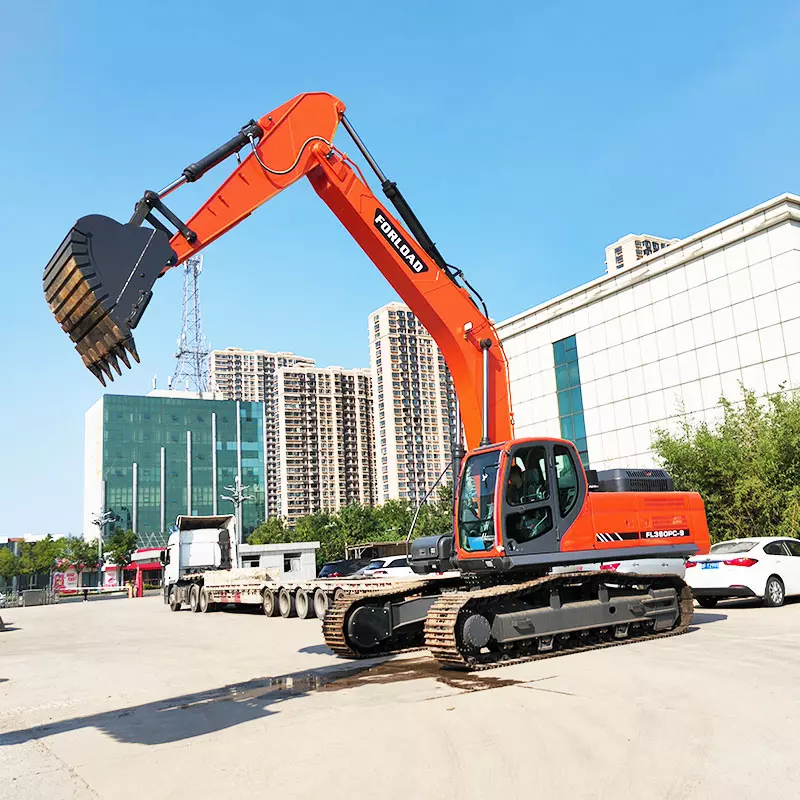
15ton excavator

Email:
WhatsApp:
Address:
Financial street, Kuiwen district, Weifang city, Shandong province, China
License
Copyright © 2023 WEIFANG FORLOAD MACHINERY COMPANY LIMITED