
NEWS CENTER
How to Choose the Right 15-ton Excavator for Your Job Site: A Comprehensive Guide
Date:
2026-05-30


How to Choose the Right 15-ton Excavator for Your Job Site
When it comes to heavy machinery, choosing the right equipment can significantly affect the efficiency and success of your construction or excavation project. A 15-ton excavator is a versatile piece of equipment that can handle various tasks, from digging and grading to lifting and demolition. However, selecting the ideal model for your specific job site requires careful consideration of multiple factors. In this comprehensive guide, we will delve into the key aspects to evaluate when choosing a 15-ton excavator that best suits your needs.
Table of Contents
- Understanding Your Job Site Requirements
- Key Features to Look For in a 15-ton Excavator
- Assessing Excavator Performance and Power
- Evaluating Excavator Attachments and Accessories
- The Importance of Machine Size and Dimensions
- Considering Fuel Efficiency and Operating Costs
- Evaluating Brand Trust and Warranty Options
- Making the Final Decision
- FAQs
Understanding Your Job Site Requirements
The first step in selecting the right 15-ton excavator is to **thoroughly assess your job site requirements**. The nature of the work, soil conditions, and environmental factors all play a crucial role in determining the best excavator for your project. Consider the following elements:
1. Job Type and Scope
Different jobs may require different functionalities. Are you primarily digging trenches, lifting heavy materials, or grading surfaces? Understanding the specific tasks will help you identify the capabilities you need in an excavator.
2. Soil Conditions
Soil types can vary widely and affect the performance of your excavator. For example, soft or muddy soil might require a machine with wider tracks for better stability, while rocky terrain might necessitate a more powerful engine.
3. Site Accessibility
Is your job site urban, rural, or remote? Accessibility can influence the size and type of excavator you choose. In confined spaces, a compact model may be more suitable, while larger sites could accommodate a full-sized 15-ton excavator.
Key Features to Look For in a 15-ton Excavator
Once you have defined your job site requirements, the next step is to focus on the **essential features** that your 15-ton excavator should possess:
1. Arm and Bucket Configuration
Different excavators come with various arm lengths and bucket capacities. Assess the **digging depth** and **reach** you require. A longer arm allows for deeper excavation, while a larger bucket capacity enables you to move more material at once.
2. Hydraulic System
The **hydraulic system** is fundamental to the performance of an excavator. Look for models with advanced hydraulic features that allow for faster and more efficient operation. **Variable flow hydraulics** can significantly enhance productivity.
3. Cab Comfort and Visibility
Operator comfort and visibility can affect performance and safety. Choose a model with spacious cabins, ergonomic controls, and large windows for enhanced visibility, especially in tight working conditions.
Assessing Excavator Performance and Power
Understanding the performance characteristics of a 15-ton excavator is crucial for making an informed choice. Key performance indicators to consider include:
1. Engine Power
Evaluate the **engine specifications**. A powerful engine translates to better performance, especially in challenging conditions. Look for machines with robust horsepower ratings that match your operational needs.
2. Operating Weight and Stability
The operating weight of a 15-ton excavator and its distribution affects stability. A well-balanced machine minimizes the risk of tipping over during operation. Ensure that the model you choose is appropriately designed for its weight class.
3. Travel Speed
Consider the **travel speed** of the excavator, especially if you need to move between work sites frequently. A faster travel speed can significantly enhance productivity by reducing downtime during transport.
Evaluating Excavator Attachments and Accessories
Attachments and accessories can transform a standard excavator into a multi-functional machine. When selecting a 15-ton excavator, consider:
1. Compatibility with Attachments
Ensure that the excavator can accommodate a range of attachments, such as **buckets**, **thumbs**, **breakers**, and **tilting buckets**. This versatility allows you to tackle various tasks without needing multiple machines.
2. Quick Coupler Systems
A **quick coupler system** enables fast and easy attachment changes, minimizing downtime on the job site. This feature is particularly important when your project requires multiple tasks to be performed swiftly and efficiently.
The Importance of Machine Size and Dimensions
The dimensions of an excavator play a crucial role in its adaptability to different job sites. Key considerations include:
1. Overall Dimensions
Consider the overall dimensions of the excavator, including its width, height, and length. Ensure that it fits within the constraints of your job site, especially if you are working in confined spaces.
2. Tail Swing Radius
The **tail swing radius** is critical for operations in tight areas. A compact tail swing excavator can offer more maneuverability without sacrificing power. Assess your site for potential obstacles and choose a model that accommodates those needs.
Considering Fuel Efficiency and Operating Costs
Operating costs can significantly impact your overall project budget. Therefore, it’s essential to evaluate:
1. Fuel Efficiency
Examine the fuel consumption ratings of various models. A fuel-efficient excavator can greatly reduce long-term operating costs, making it a more economical choice over time.
2. Maintenance Costs
Factor in the cost of maintenance and repairs. Some brands offer warranties and service packages that can help offset these expenses. Choose a machine that is known for reliability and ease of service to reduce downtime.
Evaluating Brand Trust and Warranty Options
Brand reputation can influence your choice of a 15-ton excavator. Research different manufacturers and consider:
1. Industry Reviews and Ratings
Look for reviews and ratings from current users. Brands with strong reputations typically offer reliable products and better customer support.
2. Warranty and Support
A solid warranty can provide peace of mind. Evaluate the warranty options offered by different manufacturers, as well as the availability of replacement parts and service support.
Making the Final Decision
After considering all the above factors, it’s time to make your final decision. Compile all the information you have gathered and weigh the pros and cons of each model. It may also be beneficial to visit a dealership to see the excavators in person and ask for demonstrations. Consulting with industry experts can also provide valuable insights that lead to a more informed choice.
FAQs
1. What is the average cost of a 15-ton excavator?
The cost of a 15-ton excavator varies widely based on brand, features, and attachments, typically ranging from $50,000 to $100,000.
2. Are used 15-ton excavators a good investment?
Used excavators can be a cost-effective option, but it's essential to assess their condition, maintenance history, and remaining lifespan before purchasing.
3. How do I determine if I need a 15-ton excavator or a different size?
Consider the scope of your project, soil conditions, and site accessibility. Consulting with an equipment specialist can help clarify the right size for your needs.
4. What is the average lifespan of a 15-ton excavator?
With proper maintenance, a 15-ton excavator can last between 10,000 to 12,000 hours of operation, or roughly 10 to 15 years.
5. Can I get financing for a 15-ton excavator?
Yes, many dealers offer financing options, allowing you to spread the cost over time. Check with your local dealer for specific plans.
Conclusion
Choosing the right 15-ton excavator for your job site requires thoughtful consideration of many factors, including site requirements, machine features, performance, and operating costs. By focusing on these elements and conducting thorough research, you can select an excavator that meets your specific needs while maximizing productivity and safety on the job site. Ultimately, the right choice will lead to a successful project and a positive return on your investment.
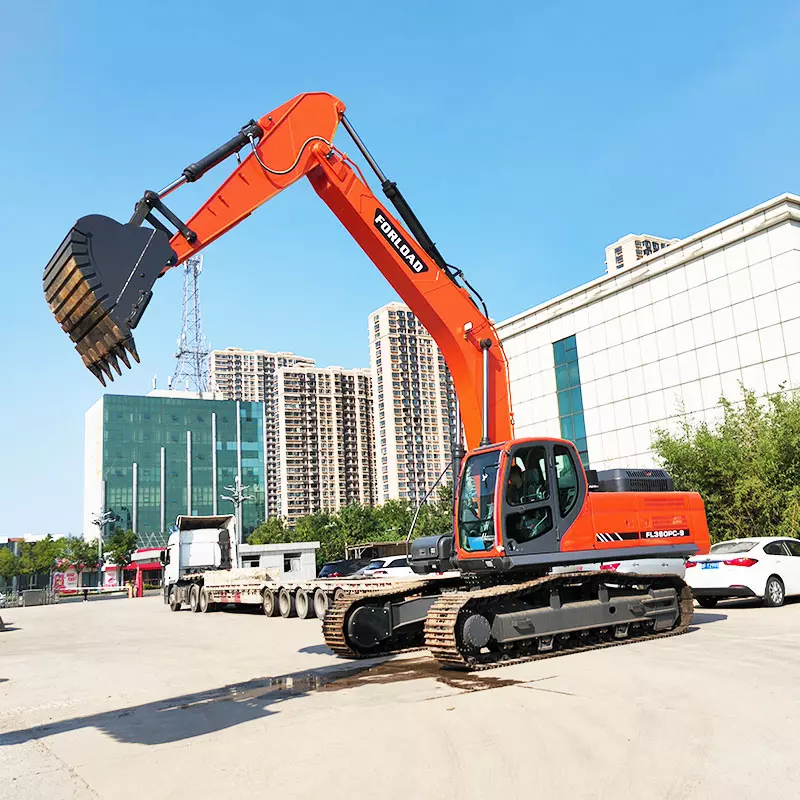
15ton excavator

Email:
WhatsApp:
Address:
Financial street, Kuiwen district, Weifang city, Shandong province, China
Copyright © 2023 WEIFANG FORLOAD MACHINERY COMPANY LIMITED