
NEWS CENTER
How to Troubleshoot Common Issues with the JC100 Skid Steer Loader: A Comprehensive Guide
Date:
2026-04-20


How to Troubleshoot Common Issues with the JC100 Skid Steer Loader
Table of Contents
- 1. Introduction to the JC100 Skid Steer Loader
- 2. Common Issues with the JC100 Skid Steer Loader
- 3. Troubleshooting Hydraulic System Problems
- 4. Diagnosing Engine Issues
- 5. Addressing Electrical Problems
- 6. Fixing Transmission-Related Issues
- 7. Preventative Maintenance Tips
- 8. Frequently Asked Questions
- 9. Conclusion
1. Introduction to the JC100 Skid Steer Loader
The JC100 Skid Steer Loader stands out as a powerful and versatile piece of equipment in the construction and manufacturing sectors. With its robust design and impressive capabilities, it is essential for various applications, from landscaping to heavy-duty excavation. However, like any machinery, the JC100 may encounter issues that can impede its performance. Understanding how to troubleshoot these problems is crucial for maintaining operational efficiency and minimizing downtime.
2. Common Issues with the JC100 Skid Steer Loader
The JC100 Skid Steer Loader is engineered for durability, but it is not immune to potential malfunctions. Here are some common issues that operators may face:
2.1 Hydraulic Performance Problems
Hydraulic systems are the backbone of the JC100's functionality. Performance issues can manifest as slow operation or a complete failure to lift loads.
2.2 Engine Difficulties
Engine-related problems may include starting issues, stalling, or unusual noises, which can signal underlying mechanical failures.
2.3 Electrical System Failures
Electrical issues can be particularly tricky, often resulting in malfunctioning controls or failure to start.
2.4 Transmission Challenges
Transmission problems may lead to slipping gears or a lack of power transfer, hindering the skid steer's ability to perform tasks efficiently.
3. Troubleshooting Hydraulic System Problems
Hydraulic systems are vital for the JC100's operation. If you notice reduced power or slow response times, follow these steps to troubleshoot:
3.1 Check Hydraulic Fluid Levels
Ensure that your hydraulic fluid is at the recommended level. Low hydraulic fluid can lead to insufficient power. If levels are low, refill with the appropriate hydraulic fluid.
3.2 Inspect for Leaks
Examine hydraulic hoses and fittings for leaks or damage. Any visible leaks should be addressed promptly to prevent further system failure.
3.3 Clean or Replace Filters
Dirty hydraulic filters can restrict fluid flow. Regularly inspect and replace filters as necessary to maintain optimal hydraulic performance.
3.4 Test Hydraulic Cylinders
If lifting capacity is compromised, the hydraulic cylinders themselves may be at fault. Test each cylinder for leaks and functionality, replacing any that are damaged.
4. Diagnosing Engine Issues
Engine problems can stem from various sources, and timely diagnostics are essential. Here’s how to approach engine troubleshooting:
4.1 Listen for Unusual Noises
If your engine emits strange noises, it could indicate mechanical wear or damage. Conduct a thorough inspection of engine components.
4.2 Check the Battery
A failing battery can severely impact engine performance. Ensure that the battery terminals are clean and securely attached. Test the battery’s voltage and replace it if necessary.
4.3 Inspect Fuel Supply
Fuel delivery issues can cause starting problems. Check the fuel lines for clogs and ensure that the fuel filter is clean.
4.4 Monitor Engine Temperature
Overheating engines can lead to severe damage. Check the coolant levels and ensure the radiator is not obstructed.
5. Addressing Electrical Problems
Electrical failures can disrupt the operation of the JC100. Here’s how to troubleshoot these issues:
5.1 Check Fuses and Relays
Blown fuses or faulty relays can prevent the skid steer from starting or functioning correctly. Inspect the electrical panel and replace any damaged components.
5.2 Test Wiring Connections
Inspect all wiring connections for corrosion or damage. Secure any loose connections to ensure proper electrical flow.
5.3 Diagnose Sensor Issues
Many modern machines rely on sensors for optimal performance. If you suspect an issue, check the sensors related to the engine and hydraulic systems for faults.
6. Fixing Transmission-Related Issues
Transmission issues can be problematic and require careful attention. If you experience slipping or lack of power, consider the following:
6.1 Check Fluid Levels
Low transmission fluid can lead to poor performance. Check the fluid levels and refill as necessary.
6.2 Look for Signs of Wear
Inspect the transmission for signs of wear, including unusual noises or vibrations. If necessary, consult a professional for repairs.
6.3 Ensure Proper Gear Selection
Verify that the transmission is set to the correct gears for the task at hand. Incorrect gear selection can hinder performance.
7. Preventative Maintenance Tips
Preventative maintenance is key to prolonging the life of your JC100 Skid Steer Loader. Here are some essential tips:
7.1 Regular Inspections
Conduct routine inspections of hydraulic systems, engine components, and electrical systems to catch issues early.
7.2 Scheduled Servicing
Follow the manufacturer’s recommended service schedule. Regular servicing can prevent many issues before they arise.
7.3 Clean Filters and Hoses
Keep filters and hoses clean, as dirt and debris can cause significant problems in hydraulic and fuel systems.
7.4 Store Properly
Ensure that your skid steer is stored in a clean, dry place to avoid weather-related damage.
8. Frequently Asked Questions
8.1 How often should I check the hydraulic fluid in my JC100?
It is recommended to check the hydraulic fluid levels every few days of operation or before major tasks.
8.2 What type of hydraulic fluid should I use?
Always refer to the manufacturer’s guidelines for the correct type of hydraulic fluid for the JC100.
8.3 Why is my skid steer stalling frequently?
Frequent stalling can indicate fuel supply issues, battery problems, or engine wear. A thorough inspection is necessary to pinpoint the cause.
8.4 How do I know if my electrical system is failing?
Signs of electrical failure include intermittent functionality, warning lights on the dashboard, or the skid steer not starting at all.
8.5 What should I do if my transmission is slipping?
Check transmission fluid levels, inspect for mechanical wear, and ensure the machine is in the correct gear. If problems persist, consult a technician.
9. Conclusion
Troubleshooting common issues with the JC100 Skid Steer Loader may seem daunting, but with the right knowledge and approach, you can effectively diagnose and fix problems as they arise. By understanding the machine's systems and adhering to a strict maintenance schedule, you can enhance the longevity and performance of your equipment. Armed with the insights provided in this guide, you are now better equipped to tackle any challenges that your JC100 may present, ensuring it remains a reliable asset in your operations.
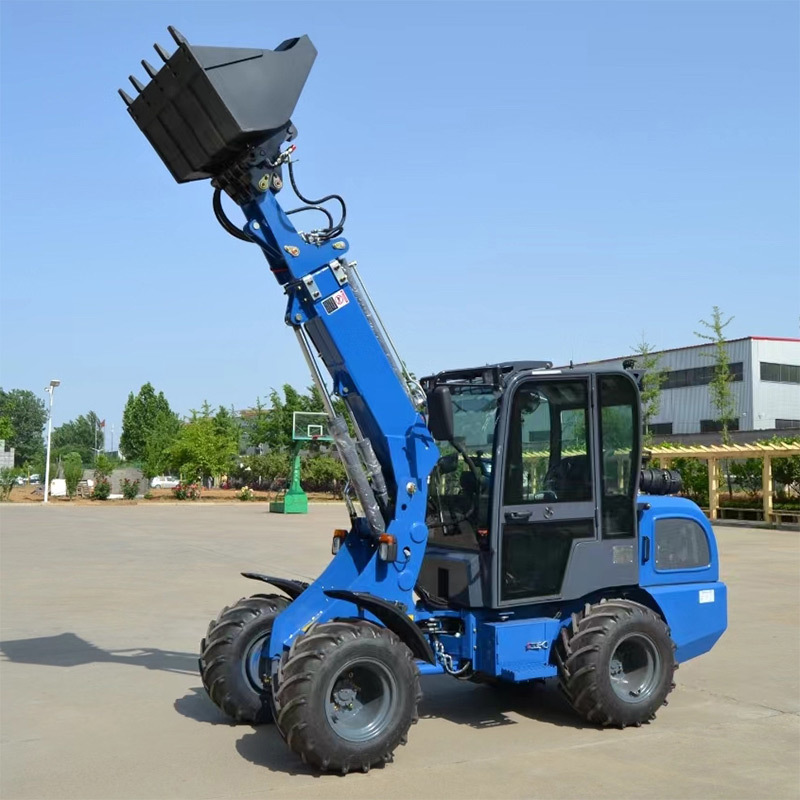
JC100 skid steer loader

Email:
WhatsApp:
Address:
Financial street, Kuiwen district, Weifang city, Shandong province, China
License
Copyright © 2023 WEIFANG FORLOAD MACHINERY COMPANY LIMITED