
NEWS CENTER
Exploring the Benefits and Applications of Amphibious Excavators in Construction
Date:
2026-02-24


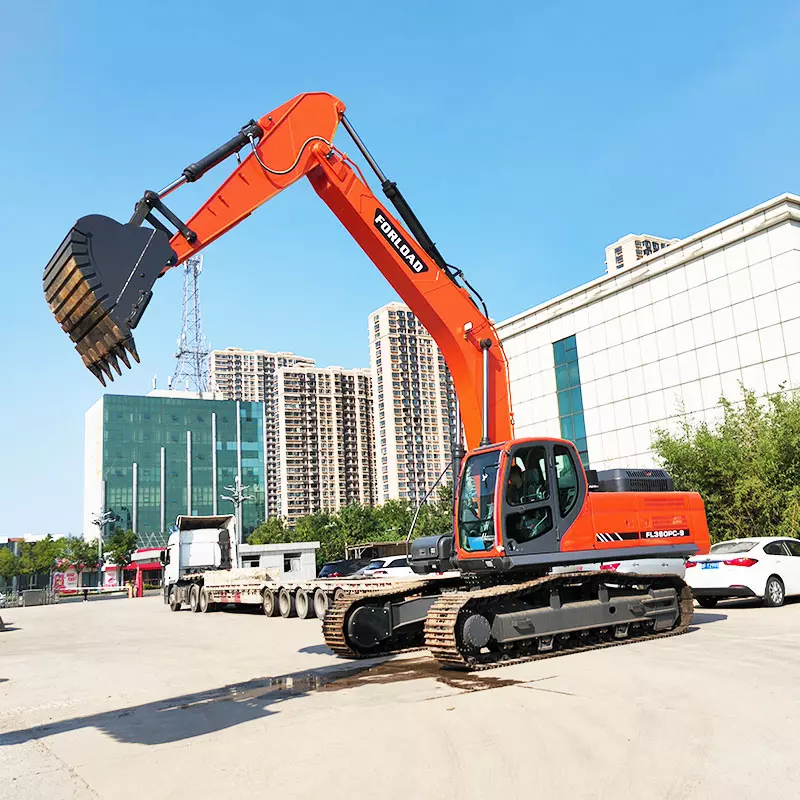
Amphibious excavators are specialized machines designed for working in both land and water environments, making them invaluable for projects requiring versatility and adaptability. These machines are typically equipped with a floating platform and extended tracks or pontoons, allowing them to navigate marshy, muddy, or submerged terrains that traditional excavators cannot handle.
### Key Benefits of Amphibious Excavators
1. **Enhanced Mobility**: The unique design of amphibious excavators offers significant mobility on soft ground, which is often encountered in wetlands, swamps, and riverbanks. Their ability to float enables them to operate efficiently where other machinery would bog down or become immobilized.
2. **Versatility**: These excavators are capable of performing a range of tasks, from dredging and land reclamation to vegetation clearance and excavation. Their adaptability makes them suitable for diverse applications, including environmental restoration, construction of marine structures, and infrastructure development in challenging locations.
3. **Reduced Environmental Impact**: By minimizing soil disturbance and avoiding significant erosion, amphibious excavators help protect delicate ecosystems. Their operation often requires less ground preparation, which can lead to a lower environmental footprint compared to conventional excavators.
4. **Operational Efficiency**: Amphibious excavators can work in areas that would typically require multiple types of equipment, thus reducing the need for extensive coordination and logistics. This efficiency can lead to faster project completion times and reduced labor costs.
### Applications in Various Industries
Amphibious excavators are not limited to construction; they find applications across various sectors:
- **Infrastructure Development**: They are employed in building roads, bridges, and other structures in challenging terrains where traditional machinery may fail.
- **Environmental Management**: These excavators are crucial for wetland restoration, allowing for the careful removal of invasive species and sediment clearing from waterways.
- **Mining Operations**: In certain mining environments, amphibious excavators can facilitate the extraction and transportation of materials with minimal disruption to the surrounding land.
### Conclusion
In summary, amphibious excavators represent a significant advancement in excavating technology, offering unique benefits that can enhance performance in diverse applications. Their ability to operate effectively in both terrestrial and aquatic environments makes them an asset for construction professionals. Whether you are involved in large-scale infrastructure projects or environmental preservation efforts, considering the integration of amphibious excavators into your operational fleet could lead to improved efficiency and reduced environmental impact. Understanding their capabilities and applications will help industry professionals make informed decisions that align with project demands and environmental considerations.
### Key Benefits of Amphibious Excavators
1. **Enhanced Mobility**: The unique design of amphibious excavators offers significant mobility on soft ground, which is often encountered in wetlands, swamps, and riverbanks. Their ability to float enables them to operate efficiently where other machinery would bog down or become immobilized.
2. **Versatility**: These excavators are capable of performing a range of tasks, from dredging and land reclamation to vegetation clearance and excavation. Their adaptability makes them suitable for diverse applications, including environmental restoration, construction of marine structures, and infrastructure development in challenging locations.
3. **Reduced Environmental Impact**: By minimizing soil disturbance and avoiding significant erosion, amphibious excavators help protect delicate ecosystems. Their operation often requires less ground preparation, which can lead to a lower environmental footprint compared to conventional excavators.
4. **Operational Efficiency**: Amphibious excavators can work in areas that would typically require multiple types of equipment, thus reducing the need for extensive coordination and logistics. This efficiency can lead to faster project completion times and reduced labor costs.
### Applications in Various Industries
Amphibious excavators are not limited to construction; they find applications across various sectors:
- **Infrastructure Development**: They are employed in building roads, bridges, and other structures in challenging terrains where traditional machinery may fail.
- **Environmental Management**: These excavators are crucial for wetland restoration, allowing for the careful removal of invasive species and sediment clearing from waterways.
- **Mining Operations**: In certain mining environments, amphibious excavators can facilitate the extraction and transportation of materials with minimal disruption to the surrounding land.
### Conclusion
In summary, amphibious excavators represent a significant advancement in excavating technology, offering unique benefits that can enhance performance in diverse applications. Their ability to operate effectively in both terrestrial and aquatic environments makes them an asset for construction professionals. Whether you are involved in large-scale infrastructure projects or environmental preservation efforts, considering the integration of amphibious excavators into your operational fleet could lead to improved efficiency and reduced environmental impact. Understanding their capabilities and applications will help industry professionals make informed decisions that align with project demands and environmental considerations.
amphibious excavator

Email:
WhatsApp:
Address:
Financial street, Kuiwen district, Weifang city, Shandong province, China
License
Copyright © 2023 WEIFANG FORLOAD MACHINERY COMPANY LIMITED