
NEWS CENTER
The Advantages of Employing a 3.5 Ton Diesel Forklift in Transportation Operations
Date:
2025-12-30


The Advantages of Employing a 3.5 Ton Diesel Forklift in Transportation Operations
Table of Contents
- Introduction to 3.5 Ton Diesel Forklifts
- Maximizing Efficiency in Transportation
- Cost-Effectiveness of Diesel Forklifts
- Unmatched Durability and Longevity
- Environmental Considerations
- Versatility in Various Transportation Applications
- Enhancing Safety in Transportation Operations
- Maintenance and Care Tips for Diesel Forklifts
- Conclusion
- Frequently Asked Questions
Introduction to 3.5 Ton Diesel Forklifts
In the ever-evolving transportation sector, optimizing operations is crucial. One of the most significant investments a business can make is in the right equipment. The **3.5 ton diesel forklift** stands out as a robust solution tailored for heavy lifting and transportation tasks. These machines are engineered to handle substantial loads while ensuring efficiency and safety.
Maximizing Efficiency in Transportation
Efficiency is the cornerstone of any successful transportation operation. The **3.5 ton diesel forklift** excels in this regard due to its impressive lifting capabilities and speed. By allowing operators to transport goods swiftly and effectively, these forklifts minimize downtime.
With advanced hydraulic systems, a diesel forklift provides a reliable lifting mechanism that can handle various cargo types, including pallets, crates, and heavy machinery. This ability to quickly and efficiently move large loads translates into higher productivity levels, enabling businesses to meet tight deadlines and increase throughput.
Time-Saving Features
Time is money in transportation. A **3.5 ton diesel forklift** is equipped with features designed to expedite operations. For instance, the rapid lift and lowering functions reduce the time spent on each handling task, allowing for more cycles per hour. Additionally, the smooth maneuverability of these forklifts ensures that operators can navigate tight spaces with ease, further enhancing operational efficiency.
Cost-Effectiveness of Diesel Forklifts
Investing in a **3.5 ton diesel forklift** may initially seem like a significant expenditure, but the long-term savings are substantial. Diesel forklifts tend to have lower operating costs compared to their electric counterparts. With diesel fuel being more energy-dense, these forklifts can operate longer without frequent refueling.
Lower Fuel Costs
Over time, the fuel efficiency of a diesel forklift can lead to considerable savings. Businesses that rely on these machines for extensive operations can expect to see a reduction in fuel expenses, which directly impacts their bottom line. Furthermore, with fewer fuel stops required, the workflow remains uninterrupted, further enhancing productivity.
Reduced Maintenance Costs
Another financial advantage lies in the maintenance costs associated with diesel forklifts. These machines are designed for durability and longevity, requiring less frequent repairs and servicing compared to other types. This reliability not only translates to savings but also reduces the likelihood of downtime due to equipment failure.
Unmatched Durability and Longevity
The transportation industry demands equipment that can withstand rigorous use. A **3.5 ton diesel forklift** is built with heavy-duty materials and components designed to endure harsh conditions. Whether operating in a warehouse, construction site, or outdoor setting, these forklifts deliver consistent performance without compromising reliability.
Weather Resistance
Diesel forklifts can operate effectively in a variety of weather conditions. Their robust construction allows them to function optimally in rain, snow, or extreme heat. This weather resistance is particularly beneficial for businesses that require outdoor transportation operations, ensuring that productivity is maintained regardless of external conditions.
Extended Lifespan
With proper maintenance, a diesel forklift can last for many years, yielding a high return on investment. The longevity of these machines means that businesses can rely on them for extended periods, further justifying the initial purchase cost.
Environmental Considerations
While diesel engines have traditionally been criticized for their emissions, modern **diesel forklifts** are designed with efficiency in mind. Many models now comply with stringent environmental regulations, offering reduced emissions without sacrificing power or performance.
Eco-Friendly Technology
Advancements in diesel technology have led to the development of cleaner engines that minimize environmental impact. Many businesses are now opting for eco-friendly diesel forklifts that contribute to sustainable practices while maintaining the strength required for heavy lifting.
Versatility in Various Transportation Applications
The adaptability of a **3.5 ton diesel forklift** makes it an invaluable asset in multiple industries, including construction, manufacturing, and warehousing. Its ability to handle diverse loads and perform various tasks allows businesses to utilize one machine for multiple functions.
Capability Across Industries
From loading and unloading trucks to relocating heavy machinery, a **3.5 ton diesel forklift** can perform a multitude of roles. This versatility minimizes the need for multiple pieces of equipment, simplifying operations and reducing costs associated with maintenance and training.
Enhancing Safety in Transportation Operations
Safety is paramount in any transportation operation. The design of a **3.5 ton diesel forklift** incorporates numerous safety features to protect operators and surrounding personnel.
Operator Training and Safety Features
Equipping operators with the right training ensures safe forklift operation. Additionally, many diesel forklifts come with built-in safety mechanisms such as stability systems, backup alarms, and visibility enhancements, further mitigating the risk of accidents.
Maintenance and Care Tips for Diesel Forklifts
To maximize the benefits of a **3.5 ton diesel forklift**, regular maintenance is essential. Implementing a proactive maintenance schedule can extend the lifespan of the forklift and ensure optimal performance.
Basic Maintenance Practices
- **Regular Inspections:** Conduct daily checks for fluid levels, tire pressure, and overall condition.
- **Lubrication:** Ensure that moving parts are regularly lubricated to prevent wear and tear.
- **Filter Changes:** Change air and fuel filters as per the manufacturer's recommendations to maintain engine efficiency.
Professional Servicing
Engaging with certified professionals for servicing can provide peace of mind. They can identify potential issues before they escalate, ensuring that the forklift remains in peak condition.
Conclusion
Investing in a **3.5 ton diesel forklift** is a strategic choice that yields numerous benefits for transportation operations. From unparalleled efficiency and cost-effectiveness to durability and safety, these forklifts are designed to meet the rigorous demands of the industry. By understanding the advantages they offer, businesses can make informed decisions that enhance productivity and ultimately lead to greater profitability.
Frequently Asked Questions
1. What is the average lifespan of a diesel forklift?
The average lifespan of a well-maintained diesel forklift can range from 10 to 20 years, depending on usage and maintenance practices.
2. Are diesel forklifts suitable for indoor use?
While diesel forklifts are primarily designed for outdoor use, they can be used indoors if proper ventilation is available due to emissions.
3. How often should I service my diesel forklift?
It is recommended to perform routine maintenance checks every 250 hours of operation, with more comprehensive servicing occurring annually.
4. Can I convert a diesel forklift to run on biodiesel?
Many modern diesel forklifts can be adapted to run on biodiesel, but it is essential to consult with the manufacturer to ensure compatibility.
5. What safety features should I look for in a diesel forklift?
Key safety features to consider include stability systems, backup alarms, operator seat belts, and visibility enhancements such as lights and mirrors.
Implementing a **3.5 ton diesel forklift** into your transportation operations can significantly improve efficiency, reduce costs, and enhance overall safety. By choosing the right equipment, businesses set themselves up for long-term success and sustainability.
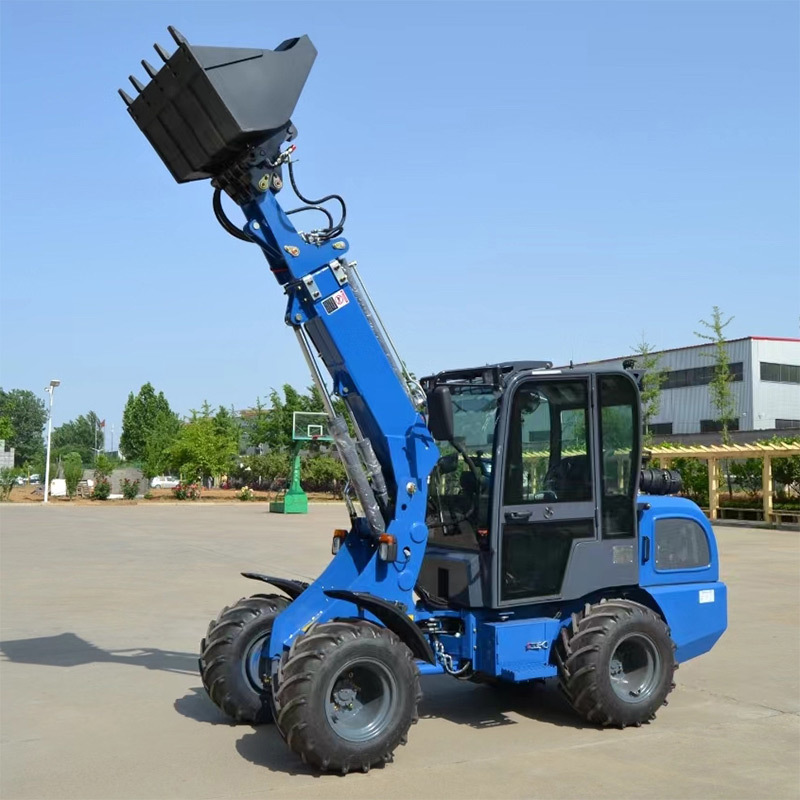
3.5ton diesel forklift

Email:
WhatsApp:
Address:
Financial street, Kuiwen district, Weifang city, Shandong province, China
License
Copyright © 2023 WEIFANG FORLOAD MACHINERY COMPANY LIMITED